
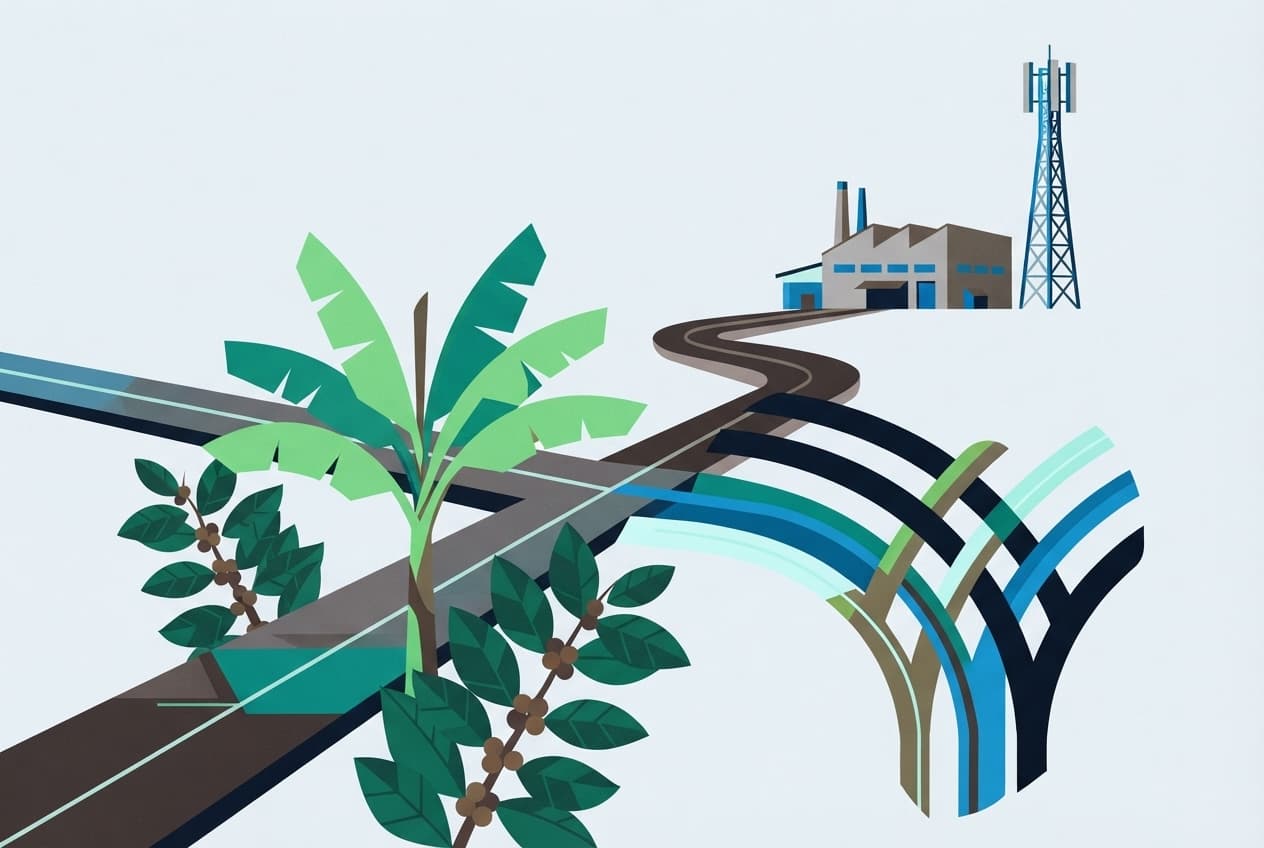
This economic transformation aligns with Rwanda's vision of developing a knowledge-based economy driven by industry and value-added exports. However, economists note that the declining share of agriculture raises questions about productivity, farmer incomes, food security, and poverty reduction efforts. While the overall GDP grew by an average of 7% between 2017 and 2025, industry expanded by 8.7% and services by 7.9%, with agriculture growing at a slower pace of 4.4%.
Agricultural economists suggest that a decreasing share of GDP from agriculture is not inherently negative for developing economies, as it can signify the growing importance of other sectors. The key concern, they emphasize, is whether agriculture itself continues to grow and improve in productivity, even as other sectors outpace it. Attention should be focused on enhancing agricultural productivity, production, and value addition, alongside monitoring farmer incomes to ensure the economic shift benefits livelihoods.
Despite its shrinking GDP share, agriculture remains crucial for food security in Rwanda. Economists also point out that agriculture's significance extends beyond its GDP contribution due to the large number of Rwandans who depend on it for their livelihoods. Weak agricultural performance can therefore have substantial impacts on household incomes and poverty levels. Furthermore, agriculture supplies essential raw materials to manufacturing and food-processing industries, and a decline in domestic production could lead to increased reliance on imports and potentially higher food prices.